
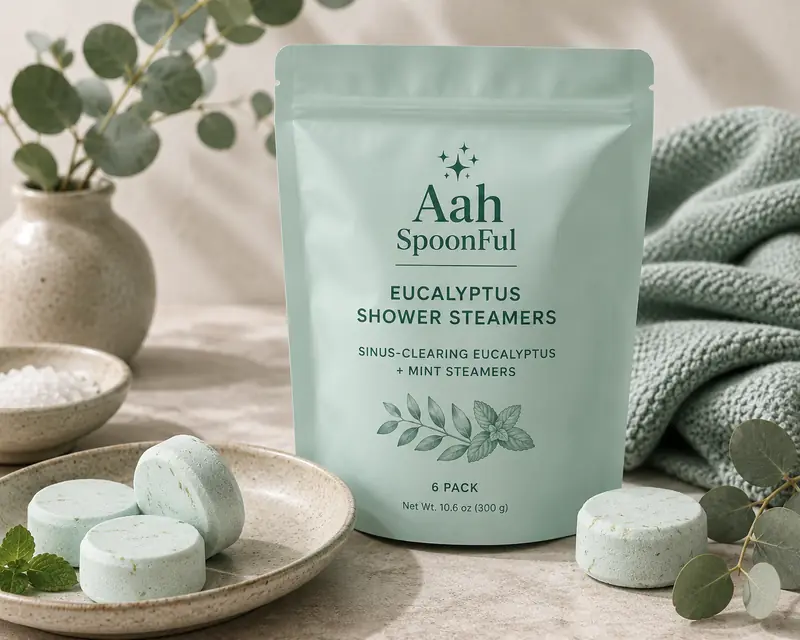
"Natural" doesn't automatically mean "safe at any amount." Here's how we dose every scent blend so it's gentle on your skin, and how you can read fragrance with confidence.
Quick Takeaway
The dose makes the difference. We follow IFRA standards, the global safety limits for fragrance ingredients, and dose each scent to the product's category, so a bar you rinse off and an oil you leave on are each within safe limits.
What Is IFRA?
IFRA, the International Fragrance Association, publishes the safety standards the fragrance industry uses worldwide. Backed by independent toxicology research (via RIFM, the Research Institute for Fragrance Materials), IFRA sets maximum usage levels for individual aroma materials based on how a product is used.
In short: it's not about banning ingredients, it's about using each one within the amount shown to be safe for that type of product.
Why the Product Category Matters
The same essential oil can be perfectly safe in one product and too strong in another, because your skin's exposure differs. IFRA groups products into categories, and a few matter most to us:
- Rinse-off. Bar soap & washes. Brief skin contact, then rinsed away, so higher fragrance limits apply.
- Leave-on. Body oils & lotions. Stay on the skin, so limits are tighter and dosing is more conservative.
- Sensitive areas. Intimate & facial care get the strictest limits, or no added fragrance at all.
How We Apply It
- Dose to category. Each blend is weighed to the IFRA limit for that specific product type, not a one-size-fits-all percentage.
- Watch the known sensitizers. Components like limonene, linalool, and eugenol occur naturally in citrus and spice oils; we keep them within safe levels and disclose them.
- Offer fragrance-free options. For reactive skin, several bars are made with no added scent at all.
- Keep documentation. Every blend has an IFRA certificate on file stating its safe-use levels.
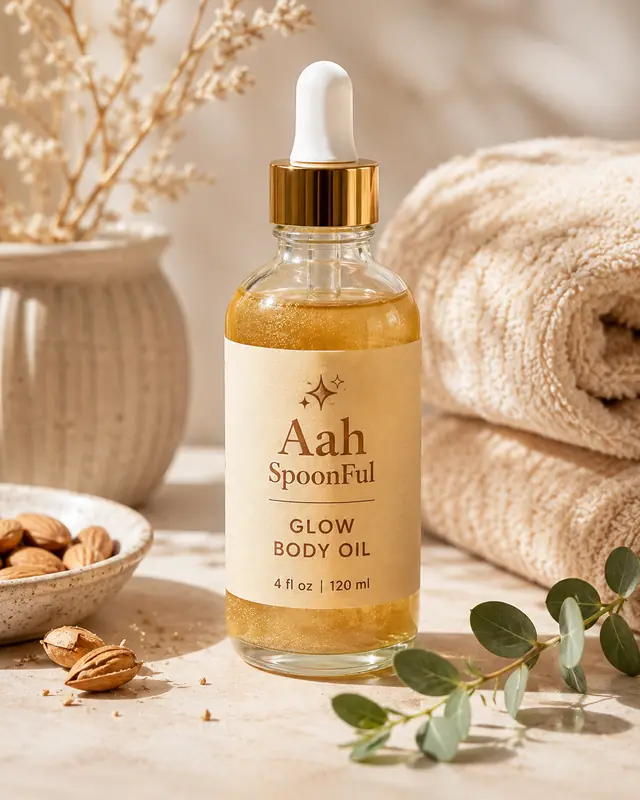
A leave-on body oil stays on the skin all day, so it's dosed far more conservatively than a rinse-off bar.
Essential Oil vs. Fragrance Oil
Essential oils are distilled directly from plants. Naturally complex and aromatic, but "natural" still means they must be dosed correctly, since some are potent sensitizers at high levels.
Fragrance oils are blended aroma compounds, which can be skin-safe and IFRA-compliant. The right question isn't "natural or not," it's "is it within safe limits for this product."
A note on patch testing. Even a perfectly compliant scent can disagree with an individual's skin. If you're fragrance-sensitive, patch-test a new product on your inner arm for 24 hours before full use.
Safe fragrance isn't about avoiding scent, it's about respecting the dose.
Explore more
- Ingredient Glossary: look up any oil, clay, or scent we use.
- Find Your Skin Ritual: take the quiz for fragrance-free and scented matches.
Keep exploring
More guides, an ingredient glossary, and a 2-minute skin quiz await in the Education Hub.