
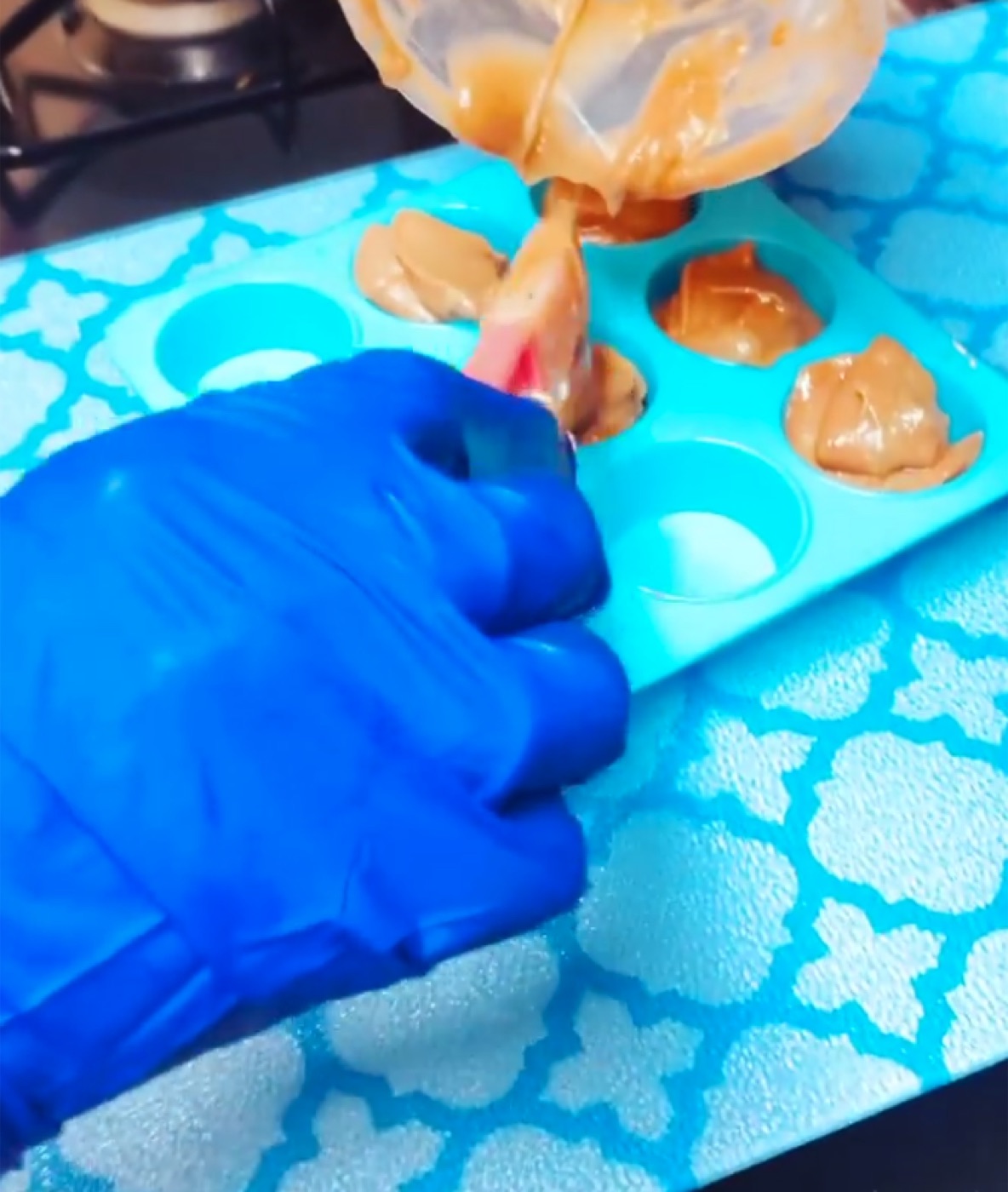
Good soap can't be rushed. The cure is where a fresh, soft batch becomes a hard, gentle, long-lasting bar, and it's the step mass production skips.
Quick Takeaway
Cold-process soap is usable within 48 hours, but it isn't ready. Over 4–6 weeks of curing, water evaporates and the chemistry finishes settling, producing a harder, milder bar that lasts far longer in your shower.
What "Cold Process" Means
Cold-process soap is made by combining oils and butters with a lye solution and letting saponification, the chemical reaction that turns fat into soap, happen on its own, without adding external heat. The batch is poured into a mould while still fluid, then left to firm up and cure.
Because we don't cook it, we keep full control over every oil, additive, and scent, and the natural glycerin produced during saponification stays right where it belongs: in the bar.
What Happens During the Cure
- Water evaporates. The bar loses excess moisture, becoming denser and harder so it won't dissolve into mush.
- pH mellows. Alkalinity drops from ~12 toward a skin-friendly ~9–10 as saponification completes.
- Crystals form. Soap molecules organize into a stable structure, giving a creamier, longer-lasting lather.
A Week-by-Week Timeline
Day 1–2: Saponification is mostly complete. The bar is safe to handle and unmould, but soft and high in moisture.
Week 1–2: Bars are cut and racked with airflow on all sides. Surface firms up; pH begins to settle.
Week 3–4: The bulk of the water has evaporated. Lather becomes noticeably creamier and milder.
Week 5–6: Fully cured. Hard, gentle, and long-lasting, ready to ship and ready for your shower.
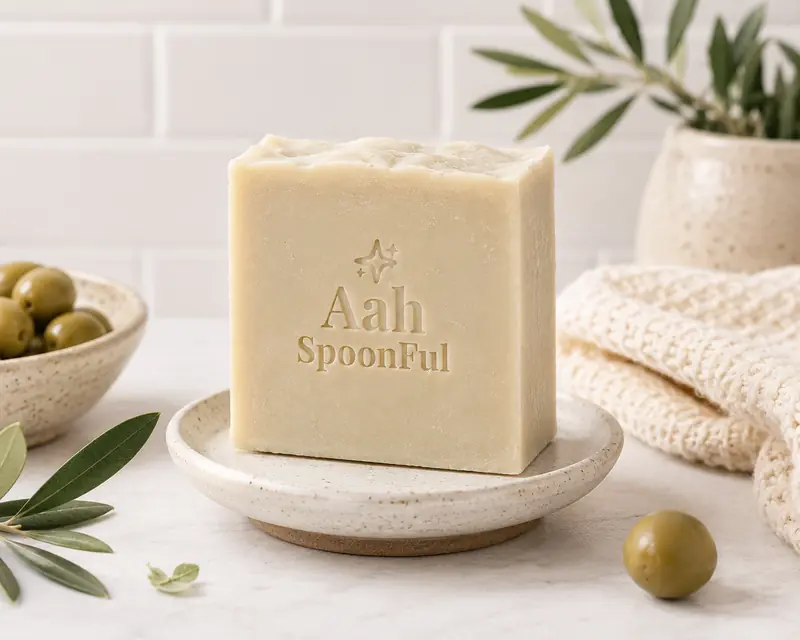
Six weeks later: a hard, mild, fully cured bar, worth every day of the wait.
Why It's Worth the Wait
- Lasts longer: a harder bar dissolves more slowly, so it survives weeks of daily use.
- Gentler on skin: a settled pH and complete saponification mean no harshness.
- Better lather: cured soap produces a creamier, more stable foam.
- Keeps its glycerin: a natural humectant that draws moisture to your skin.
Industrial detergent bars can be extruded and boxed within hours. That speed is great for a factory's margins, but it skips the maturation that makes a real soap bar mild and lasting.
Patience is an ingredient. You just can't see it on the label.
Explore more
- Soap vs. Detergent: why most commercial "soap" bars aren't soap at all.
- Build Your Custom Loaf: design a full loaf (~10 bars) tailored to your skin.
- Not sure where to start? Take the 2-minute skin quiz and we'll match you to the right bars for your skin.
Keep exploring
More guides, an ingredient glossary, and a 2-minute skin quiz await in the Education Hub.